October 29 - November 1, 2026
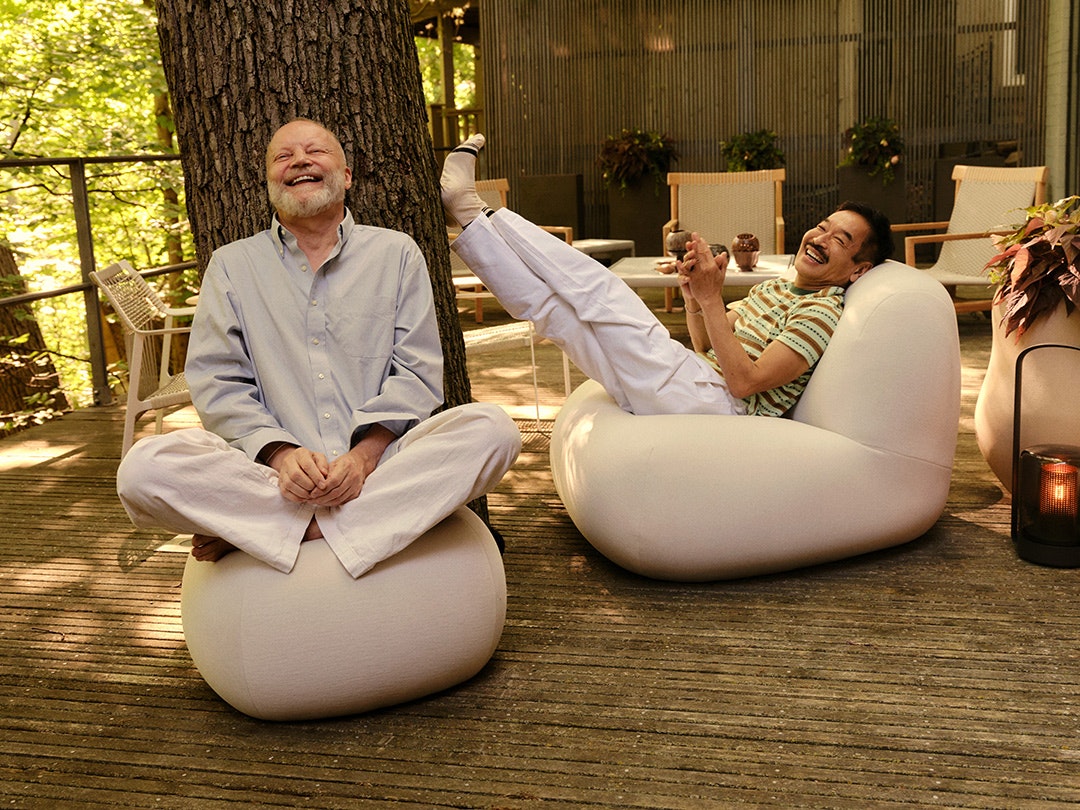
Yabu Pushelberg on Collecting
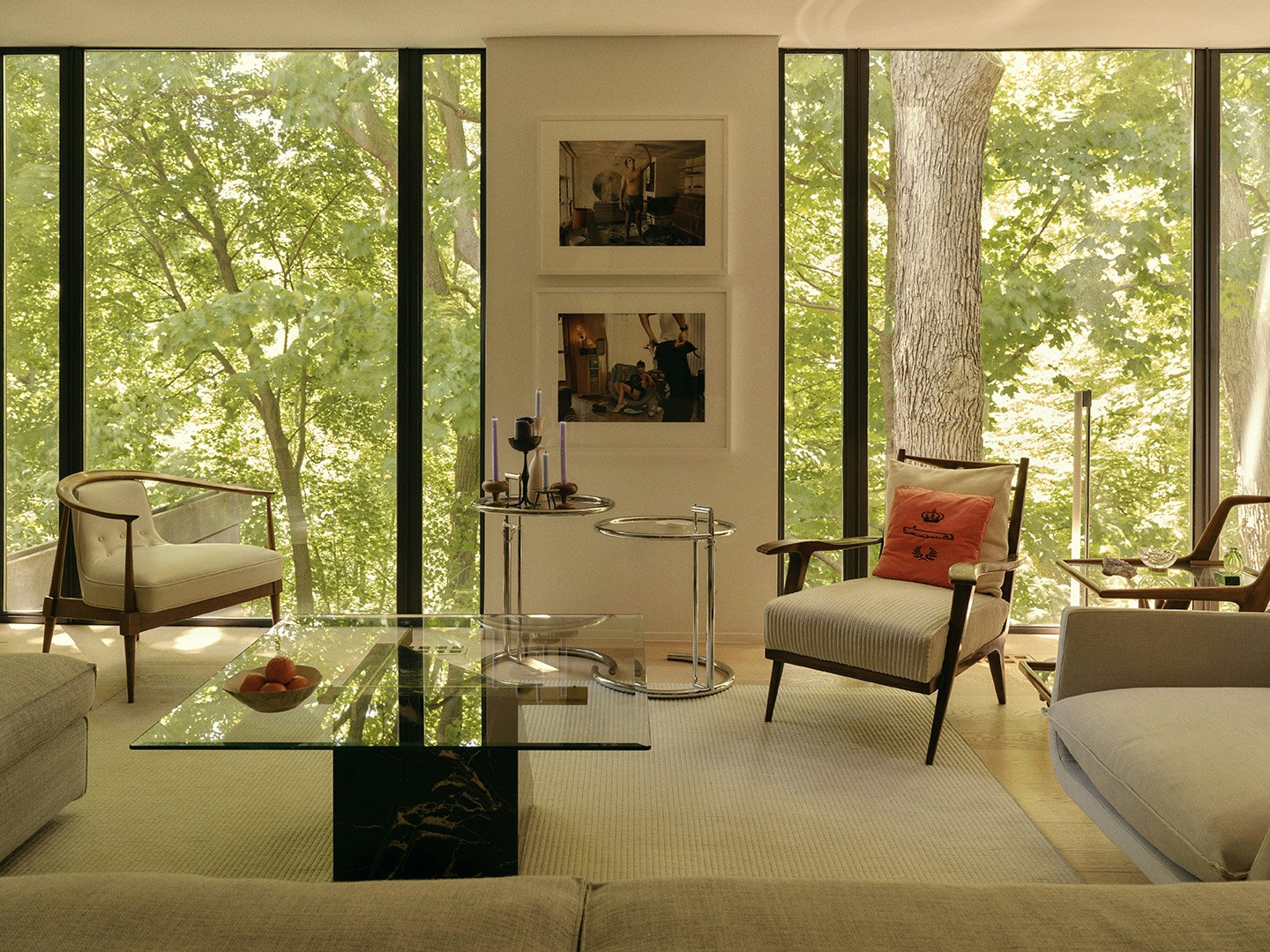
Collecting art is an intuitive and personal journey for George Yabu and Glenn Pushelberg of Yabu Pushelberg. In this interview, they reflect on the pieces that shaped their collection and the stories behind them, offering insight into how art has grown alongside their creative work.
What was the first artwork you collected?
George Yabu:
One of the first pieces we collected was an early Andy Warhol illustration called Do You See My Little Pussy? We found it in Chicago during Neocon, tucked away in a small shop. It wasn’t a major discovery, just something we both instantly connected with. It had that offbeat, clever energy Warhol was known for, even before he became the artist we all now recognize.
Glenn Pushelberg:
He was still working as a commercial illustrator then, sketching shoes for Saks and fashion scenes for Bonwit Teller. His sketches appeared in Harper’s Bazaar and Vogue, back when illustration was the primary visual language of fashion. The piece was cheeky, but not offensive. It featured a Little Red Riding Hood type of character with a cat under her apron. It was playful, a little subversive, and very much in line with how we were starting to think about design. We were already interested in how retail, art, and fashion could intersect. Looking back, it was the perfect beginning.
Which piece in your collection is your favourite?
Glenn Pushelberg:
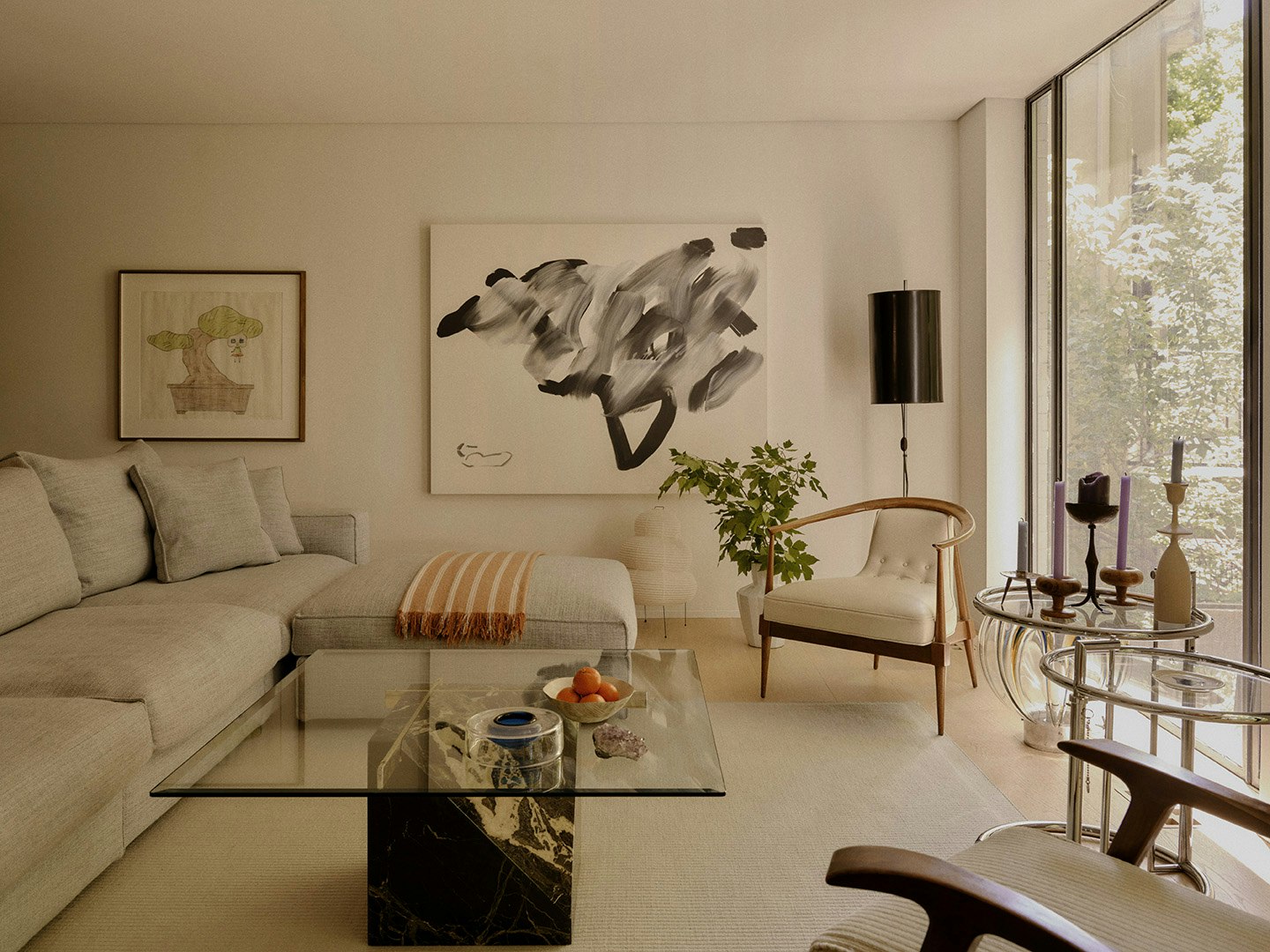
We have two pieces by Yoshitomo Nara that mean a great deal to us—Pee (2001) and Pee - Dead of the Night (2001). We first came across his art through Tomio Gallery in Japan, before he became widely known. There’s a quiet intensity in those pieces, a kind of soft rebellion that really resonated with us.
George Yabu:
Both pieces were requested for Nara’s retrospective at the Guggenheim Museum Bilbao. The curators reached out on his behalf, asking if they could include them in the show. We were honored to be part of it. After the exhibition closed, we received a letter from the museum director thanking us and noting that over 800,000 people saw the show. That kind of reach is rare, and it reminded us how art can move far beyond where it starts. The pieces may be small, but they hold a lot of weight. That’s why they’re our favourites.
What’s one thing you wish you knew when you started collecting art?
Glenn Pushelberg:
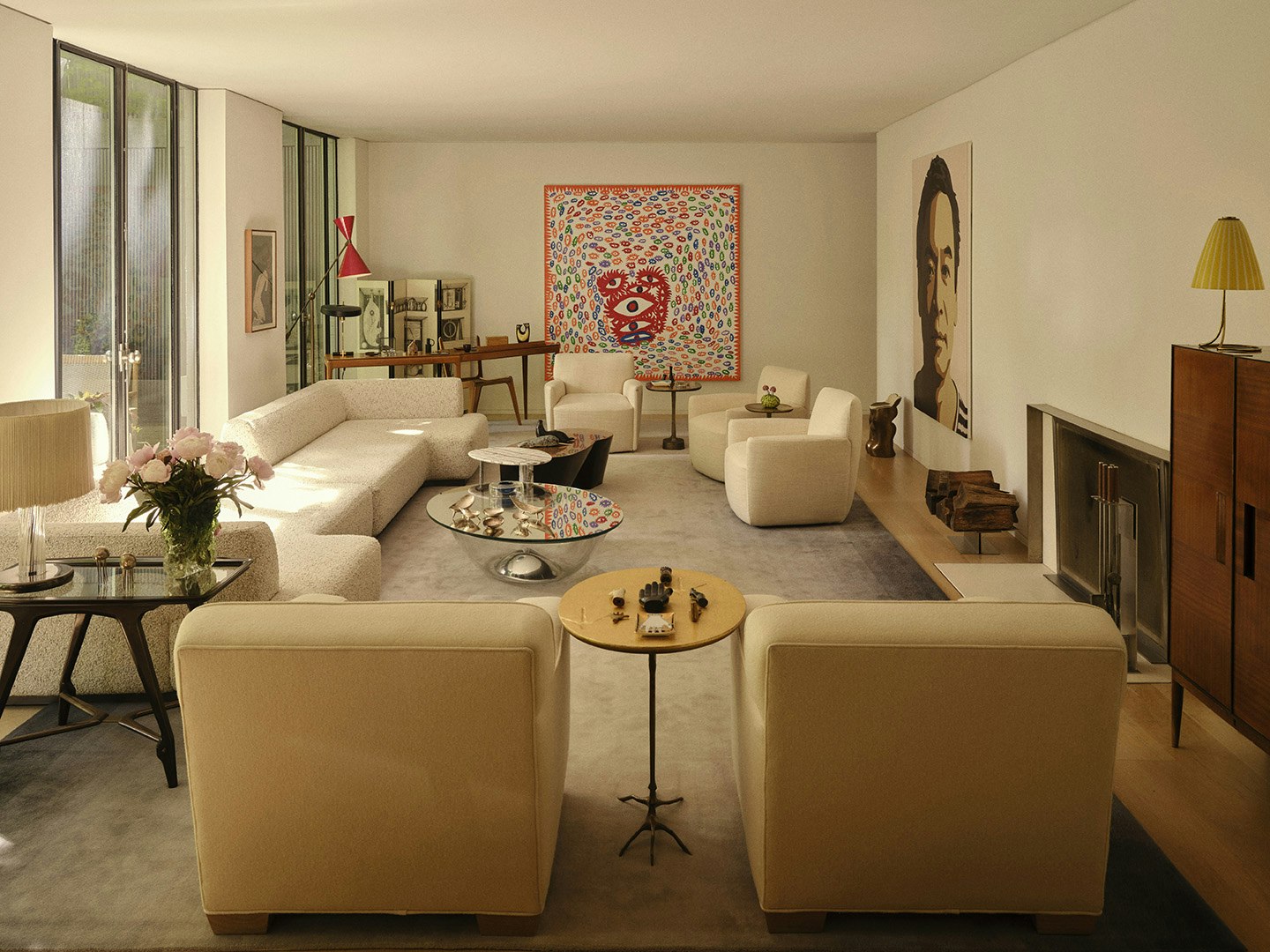
We never set out to be collectors. There was no plan, no strategy. We just bought what we were drawn to. It didn’t need a pedigree. It was always about following our instincts and feeling. Over time, you learn to trust your eye. Every piece we’ve kept holds some kind of memory, and that’s what gives it value.
George Yabu:
We don’t use the word 'collection' too seriously. It’s just the things we’ve chosen to live with. There’s no theme. What we keep reflects how we’ve evolved. A piece we bought 25 years ago may carry a totally different meaning now. That’s what we love about art—it grows with you.
What’s the one artwork that got away?
Glenn Pushelberg:
There was an early Kusama piece we saw in Mexico City. It had this naïve, almost animated quality—three dancing mushrooms that reminded me of a scene from a classic Disney film. We tried to buy it, but Kusama had asked that the piece stay in Mexico. A friend of ours who lives there offered to help, but when the gallery asked where the piece would be delivered, he said probably Canada. Then he admitted it was for us. The deal fell through. He was too honest. It was sweet, and kind of hilarious. That one definitely got away.
George Yabu:
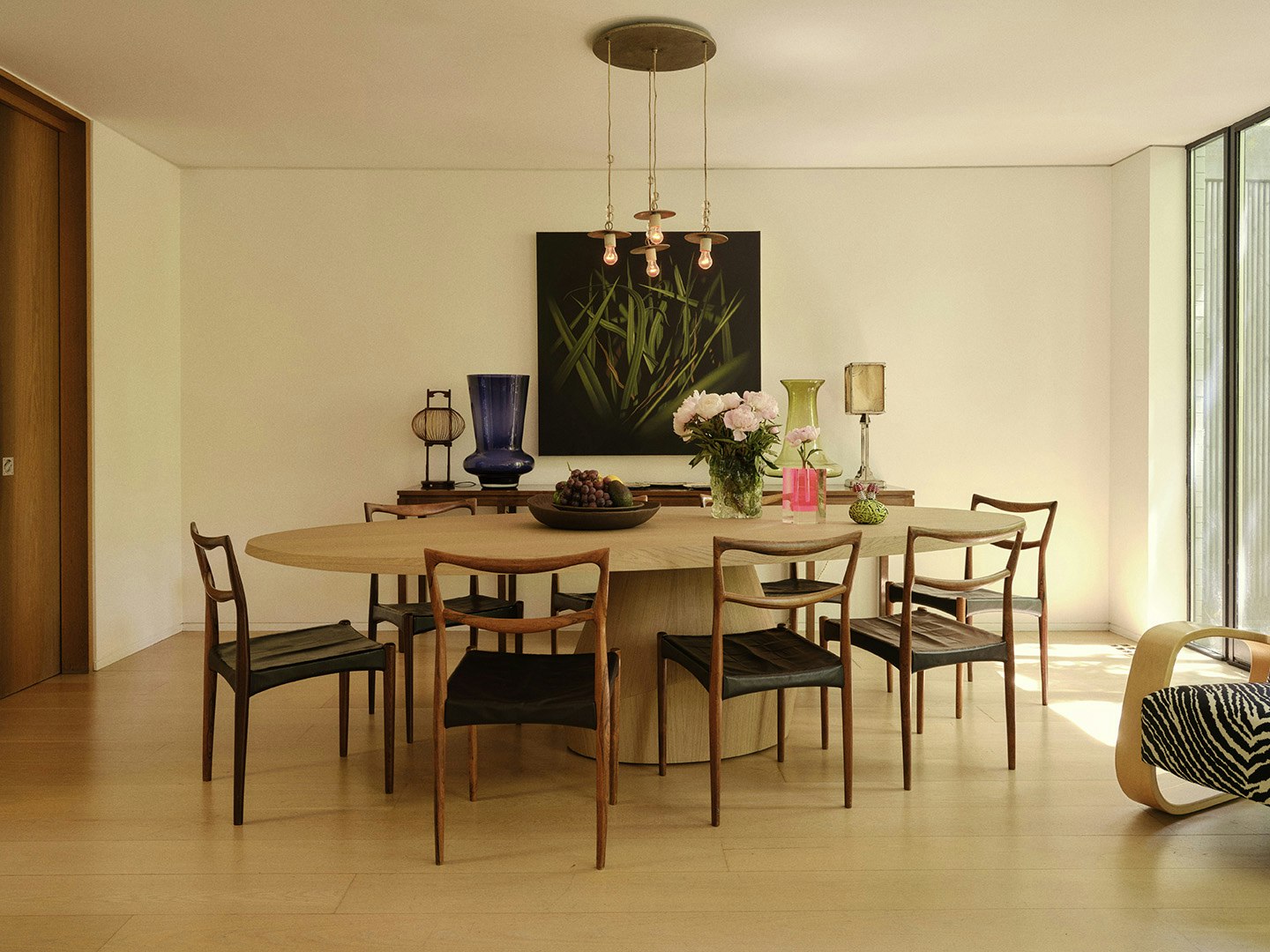
There was also a video installation by Eelco Brand that stayed with us. It showed a forest with trees swaying, a storm coming in, water rushing through. All animated, but it felt completely real. We didn’t buy it, but years later we found one of his paintings—Grass II (1998)—and it’s now in our dining room. We actually discovered it by following real grass growing through cracks in a sidewalk that led us to a gallery door. Some works passes you by, and others find their way to you when the time is right.
About Yabu Pushelberg
Yabu Pushelberg creates immersive environments and design considered products. George Yabu and Glenn Pushelberg founded the studio in 1980 with a focus on interior design and have since expanded into a multidisciplinary practice that addresses multiple layers of the human experience.
Yabu Pushelberg places an emphasis on design excellence, regardless of typology and location. We bring the same attention to detail and depth of thinking to all of our work, focusing on how we make people feel. We actively look for collaborators who share our passion for creating something better than what has been done before, it's all about designing the world we want to live in.
Photography by Clement Pascal, courtesy of Yabu Pushelberg